Independent project log · Switzerland

Jarvis first. The lab next.

I’m Eliott. I’m building Jarvis, experimenting with local AI, and learning how to run the systems behind it myself.

This page is a record of the work, not a polished product launch. Some pieces already run; others are still on the bench.

On the workbench

Projects, at different stages.

They connect to the same question: what can I build, understand, and operate myself instead of treating technology as a black box?

01 / ACTIVE

Jarvis

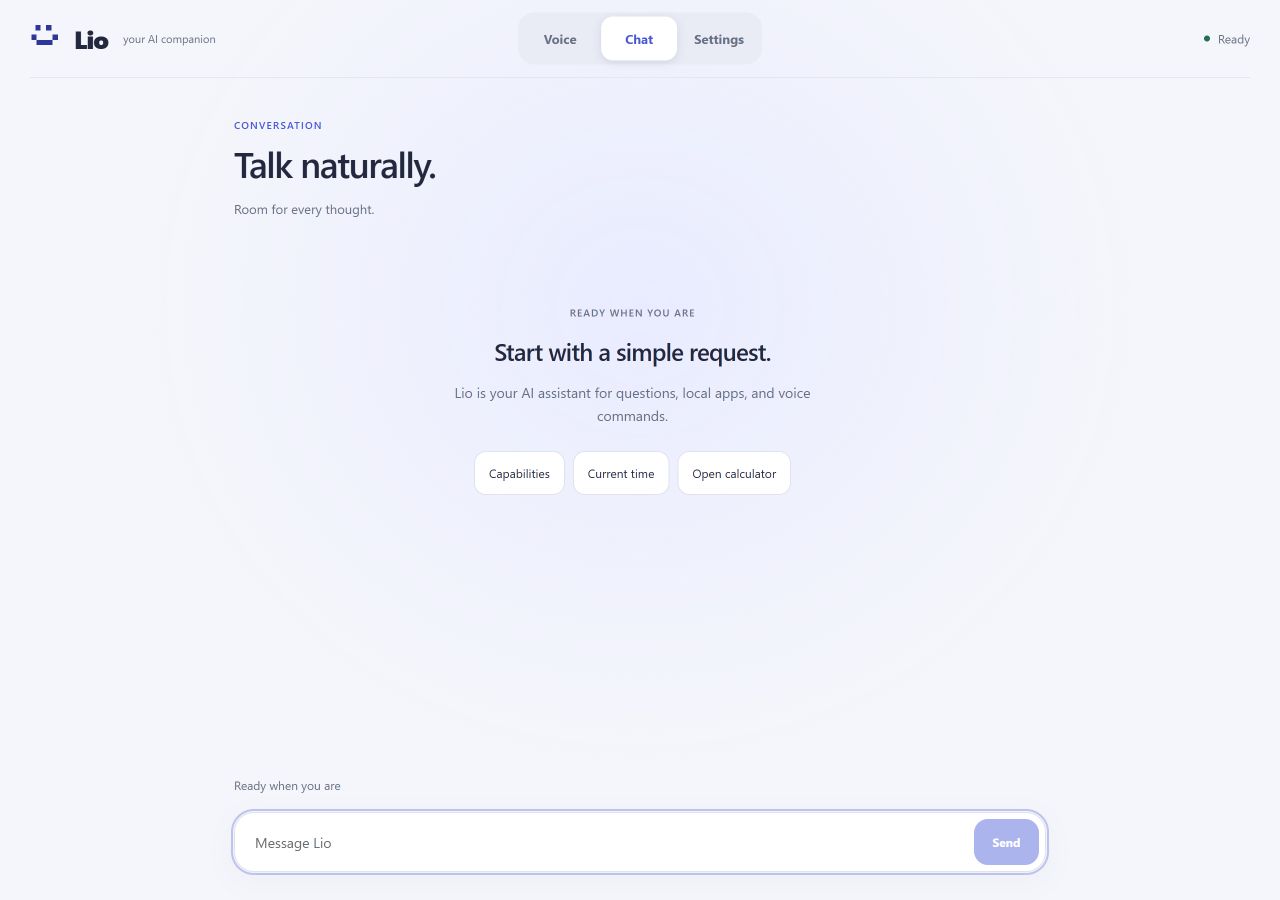
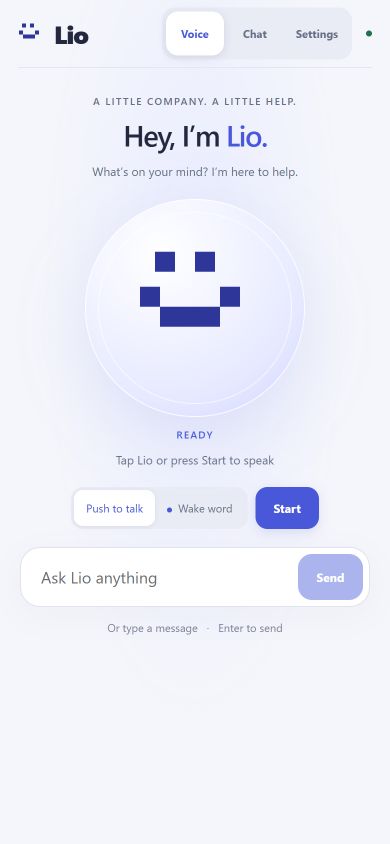
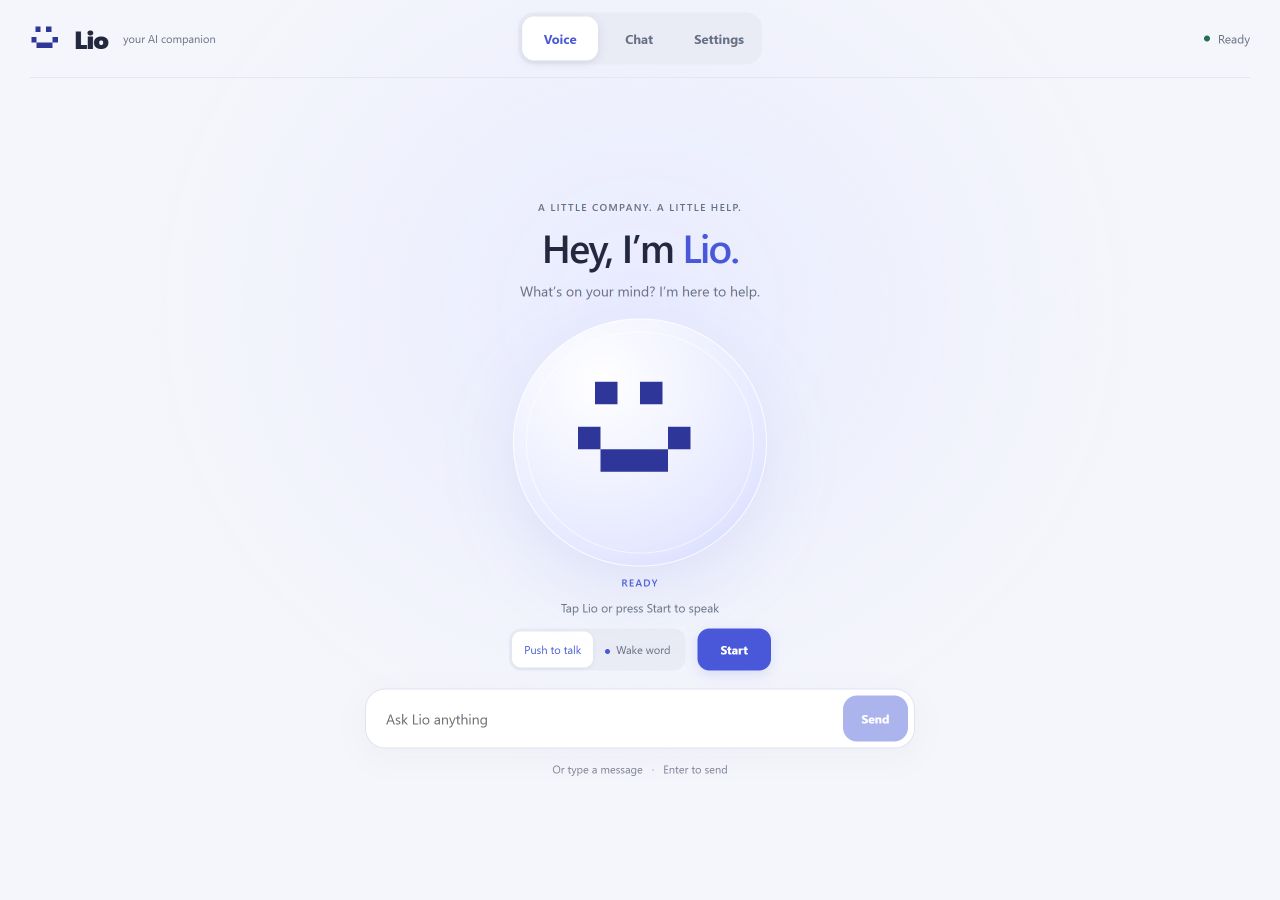
A personal assistant with voice and chat interfaces. I’m working through the ordinary but important details: how it listens, how a response is shown, and how the controls behave when nothing is happening.

Visible in the build

Ready and listening voice states, a chat view, and settings for local AI and spoken replies.
02 / EXPLORING

Local AI experiments

Jarvis includes a local AI setup. The current settings screen shows a Llama 3.1 8B model and a local Piper voice. I’m interested in what can run on my own hardware, and where it still needs work.

Current evidence

The model is marked ready in Jarvis settings. That does not mean every assistant workflow is finished.

03 / PLANNED

Home lab

A machine I can use to learn containers, virtual machines, storage, and networking by running real services. It would also give Jarvis a place to grow beyond a single development setup.

What’s missing

Dedicated hardware and a documented deployment. I’m not presenting a finished server rack.

04 / NEXT

Home automation connection

Jarvis has a place for Home Assistant in its settings. Connecting it responsibly—checking device state and requiring approval before control—is a future integration, not a live claim.

Current state

Home Assistant is shown as “Not connected” in the supplied settings capture.

The interface, not a mockup

From ready to listening.

The voice screen has distinct states. When it is idle, Jarvis tells me how to begin. When listening starts, the central label changes and the stop control becomes available. The chat view offers a quieter way to type a request.

The screenshots here are from my current build. They show the interface; they are not a benchmark or a claim that every integration is complete.

What I’m still shaping: reliable voice flow, useful responses, and a setup that can run locally.

Notebook / 2026

What is real, and what comes next.

Public project pages can make prototypes look finished. I’d rather keep a clear line between the interface I can show today and the infrastructure I still want to build.

NOW
Jarvis voice and chat screens, with a local AI configuration visible in settings.The screenshots on this page are the evidence.
IN PROGRESS
Testing the assistant’s conversation and voice workflows.Usability and reliability matter more than an impressive feature list.
NEXT
A dedicated home-lab machine for self-hosted services and experiments.Home Assistant is not connected in the current capture.
No audience statistics yet.

This is a new project page. I don’t have meaningful traffic numbers or a publishing track record to present.

Hardware / collaboration

A real machine would make the next chapter possible.

I’m looking for a desktop, mini PC, laptop, NAS, or small server suitable for a home lab in Switzerland. New is not essential: refurbished, previous-generation, demo hardware, or a long-term loan could all be useful.

I can share a concrete use plan and honest feedback. I’m not offering guaranteed reach or pretending this new site has an audience it does not have.

What I would use it for

  • Run several services or virtual machines at once
  • Test local AI and voice workflows
  • Learn storage, networking, and self-hosting
  • Document the setup and what actually works
Email Eliott

contact@eliotteliott.xyz